
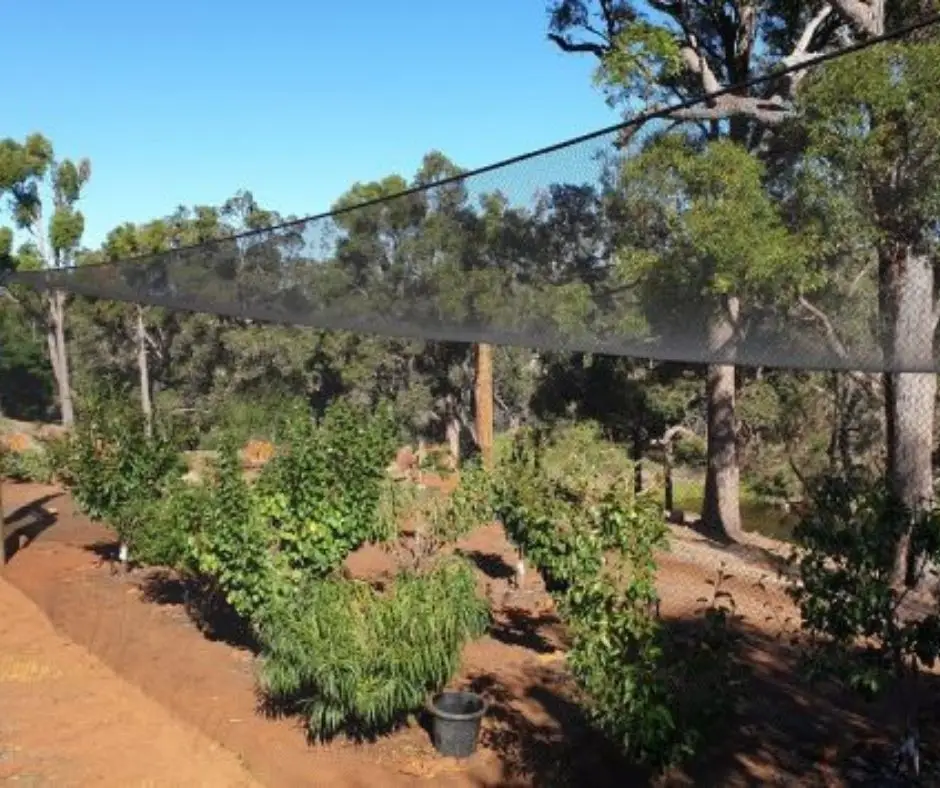
Winter is here, and there is good news for anyone with a home orchard. As the weather cools and the days shorten, there are fewer jobs to do outside. If you feel like spending a bit more time indoors reading or relaxing, there is nothing to feel guilty about. Your trees are slowing down, the sap is dropping, and the whole orchard is entering its natural rest period. This is exactly why winter orchard care is such a gentle, manageable routine.
There are still a few important tasks that will make a big difference to how your trees perform in spring. Winter orchard care is all about preparation. The work you do now sets your trees up for strong growth, healthy blossoms and a productive fruiting season. So, what should be on your to-do list as winter settles in?
Orchard Hygiene
For the most part, the orchard will be dormant over the next couple of months. Growth slows, pests are less active, and the trees conserve energy. Before you shift into full winter wind-down mode, it is important to make sure everything is clean, tidy and ready for the season ahead. Good orchard hygiene is one of the most valuable parts of winter orchard care.
The first and most important job is to clean up any old or fallen fruit under or around your trees. This is essential. Fallen fruit is a guaranteed disease risk. If left to rot, it becomes a breeding ground for the Mediterranean Fruit Fly and a range of fungal diseases. Once these problems take hold, they are much harder to manage. It is always easier to dispose of fruit now than to treat sick trees later.
If you are wondering about the best way to dispose of fallen fruit, here is the list that the Department recommends for home-scale orchards:
Solarisation
This sounds fancy, but it is simply putting all of the rotting fruit into black garbage bags and leaving them in the sun. The heat kills any eggs or larvae that might be present. Once the fruit has been solarised, add it to your rubbish for collection.
Composting
If the fruit is disease-free but just wasn’t picked, you can add it to your compost. Just remember to bury it quite deeply so that rats and mice do not come digging.
Livestock feed
Healthy fruit makes great food for chickens, pigs or goats. If you have livestock, they will happily enjoy the treat.
Deep burial
You can bury fruit a metre down. At this depth, both diseased and non-diseased fruit are safe to dispose of because no fruit fly larvae will make it to the surface.
Once the fruit is sorted, leaf matter can be raked up and used as mulch around the trees. This is a great way to recycle nutrients, but remember not to let the mulch touch the trunk. When mulch sits directly against the bark, it can trap moisture and create the perfect environment for fungal infections.
If you are mulching your trees, winter is also a good time to add a layer of compost beneath the mulch. This is not the season to fertilise, but compost will break down slowly over winter. By the time spring arrives, the nutrients will be available to the feeder roots right when the trees need them most. This simple step is one of the easiest ways to support healthy growth in your winter orchard care routine.
Pruning
Pruning is another key part of winter orchard care, but the timing depends on the type of fruit tree.
Stone Fruit
These should already be pruned. Late March into April is the ideal time for peaches, nectarines and plums. If you missed that window, wait until they start shooting in spring before you start pruning. Pruning too late in winter can leave them vulnerable to disease.
Apples and Pears
These are pruned once all their leaves have dropped. Depending on the season, this usually happens in July or August. Waiting until the tree is fully dormant makes pruning easier and reduces stress on the tree.
Avocados
These do not need pruning until the spring flush, the rapid burst of new growth at the start of spring. Until then, no pruning is required. You can skirt your avocado trees if you notice many eaten leaves around the base. This helps reduce pest access and improves airflow. You can watch our video on how to skirt an avocado tree on our pruning advice page.
Citrus
Citrus trees follow a similar pattern to avocados. The best time to prune them is late winter to early spring. Prune your citrus trees right after harvest, which generally happens through the winter months. This keeps the tree balanced and encourages strong new growth.
Treating Scale and Soot
Winter is also a good time to check your trees for scale and soot. These issues can appear on leaves and stems and are common in many home orchards. The good news is that they are easy to treat using low-chemical options.
White oil is one of the most commonly used treatments. It works by coating the insects and suffocating them. It does not rely on harsh chemicals, which makes it a great choice for home growers.
A more natural approach is to emulsify vegetable oil with dishwashing liquid and use the emulsion to treat the leaves. The result is the same. The bugs are suffocated, but you are using natural ingredients. This simple mixture is an excellent addition to your winter orchard care toolkit.
Other Winter Orchard Care Jobs
Winter orchard care also includes a few smaller but important tasks.
If you are planting any new trees this season, winter is the perfect time to get your bare-rooted stock into the ground. Bare rooted trees establish quickly in cool weather and will be ready to burst into growth once spring arrives.
If you have espaliered trees, winter is the ideal time to check their structure. With the leaves gone, the branches are easy to see. This makes it much simpler to tie them securely and shape them.
These small jobs help keep your orchard tidy, healthy and ready for the growing season ahead.
Setting Your Orchard Up for Spring
Your winter orchard may look quiet, but there is a lot happening beneath the surface. Roots are still active, soil microbes are still working, and the trees are storing energy for the months ahead. Winter orchard care is about supporting this natural cycle. A clean orchard floor, a layer of compost, well-timed pruning and simple pest management all contribute to a strong, productive spring.
Winter is a season of rest, both for you and your trees. With a little preparation now, your orchard will reward you with healthy growth, beautiful blossoms and a generous harvest when the warmer weather returns. When you follow these winter orchard care steps, you are giving your trees exactly what they need to thrive.